
Winter is Coming: Prepare Your Southern Delaware & Eastern Shore Home Now!

The seasons are changing, and for homeowners across Southern Delaware and the Maryland Eastern Shore, that means getting your home ready to handle the chilly coastal winter weather. Proactive preparation is the key to avoiding costly repairs and ensuring your family stays comfortable all season long.
In this edition of "You Ask, The PROs Answer," we're sharing essential tips from Pro Exteriors' expert, Aaron Rogers, on what you should be inspecting now—before the harsh winds and freezing temperatures hit our region.
Exterior Check: Siding, Shutters, and Water Protection

Fall is the perfect time to check on the condition of your house’s siding.
Your home's siding is the primary barrier against the elements, and in areas like Rehoboth Beach, Ocean City, and Salisbury, where wind and rain are common, a thorough inspection is crucial.
Look for Damage: Walk around your entire home. Are there any broken or missing pieces of siding? Any holes? Make sure all your shutters are properly secured.
The Brown Stain Warning: If you see brown staining on your siding, it’s a major red flag. This often indicates the plywood underneath is getting wet, as the glue (formaldehyde) in the plywood turns brown when moisture hits it. If you spot brown stains, call a professional for an inspection immediately.
Siding is Water-Resistant, Not Waterproof: Remember, siding is designed to resist water, but it's not a hermetic seal. Some moisture getting behind it is normal. That's why your house wrap is the last line of defense. Ensure your siding is tight and locked in, especially with vinyl, which becomes brittle and snaps easily in cold weather. Repairing it in the winter is much harder and more expensive!
A Word on Cleaning: Fall is a perfectly acceptable time to power wash your house to remove the green algae and buildup common in our coastal environment.
Water & Plumbing: Protecting Against Freezing

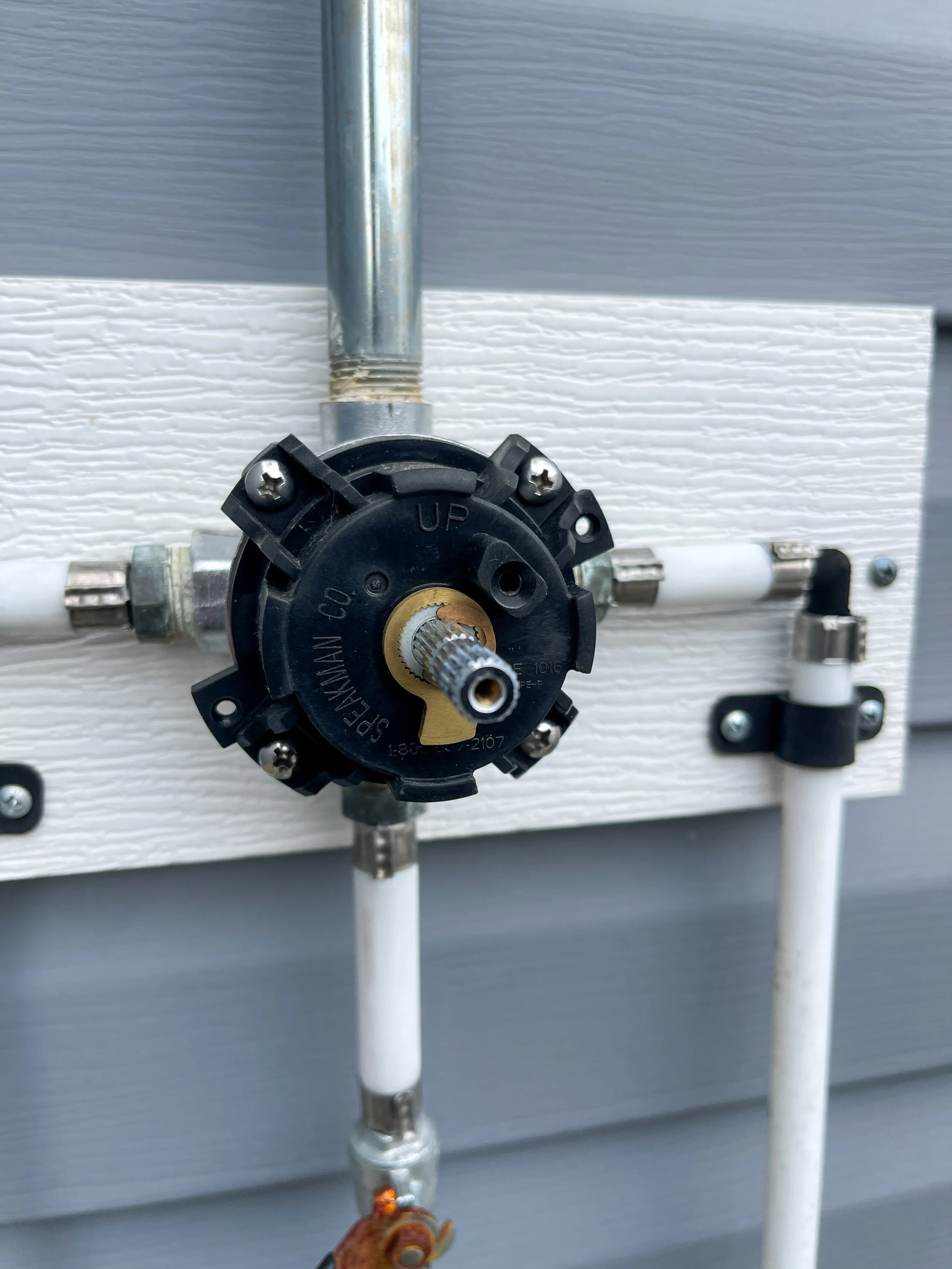
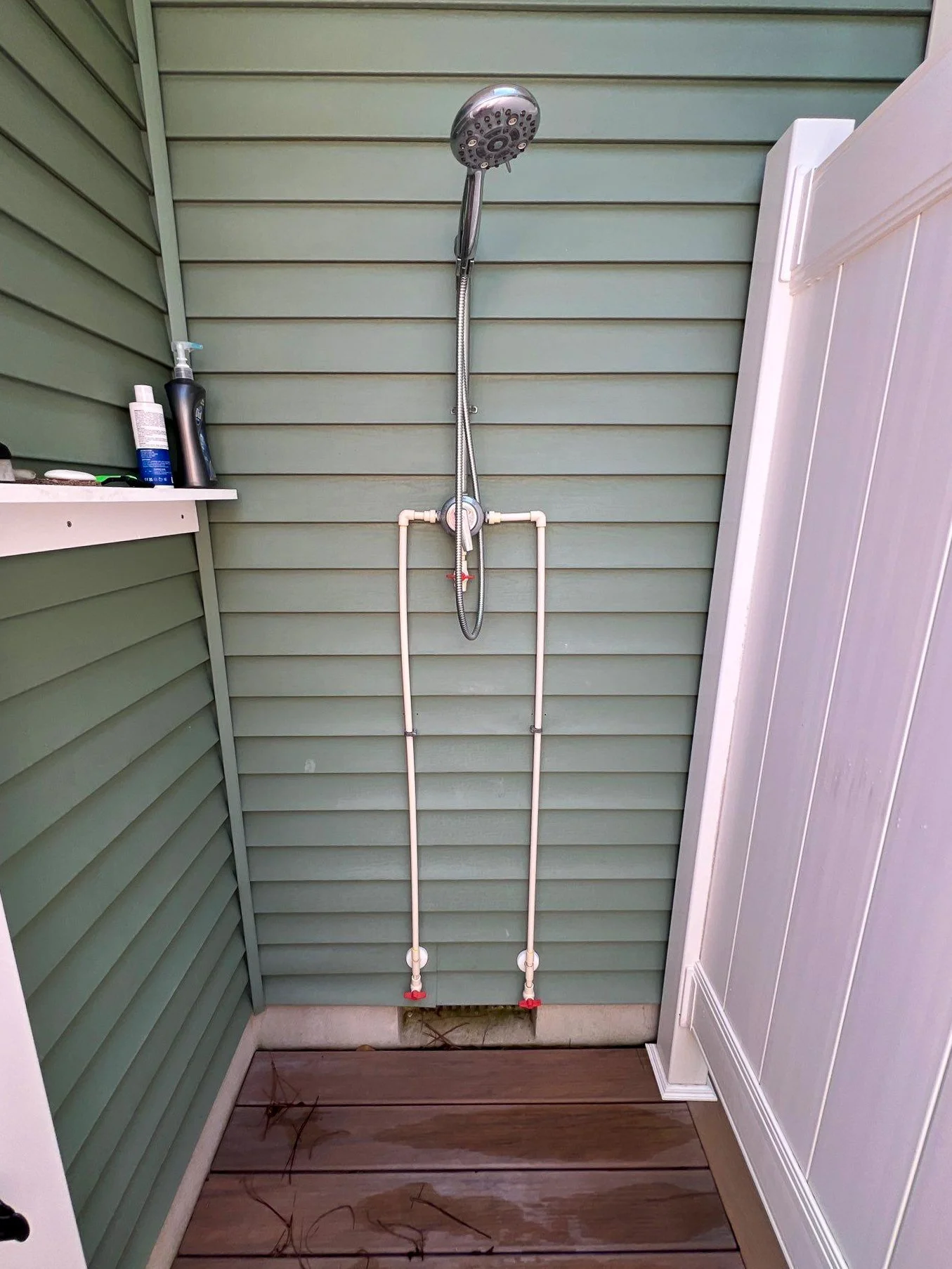
Our region often experiences large temperature swings this time of year—warm afternoons followed by near-freezing nights. This makes protecting your outdoor plumbing essential.
Shut Off Hose Bibs: The general rule of thumb for turning off your exterior water access (hose bibs, outdoor showers) is before the first hard frost. Consult the Farmer's Almanac for a local estimate.
Blow the Lines Out: For outdoor showers (especially common at beach houses in areas like Bethany Beach and Fenwick Island), simply turning off the water may not be enough. The water can sit and break the shower valve. We strongly recommend physically blowing the lines out with an air hose to ensure all water is removed, especially in brittle PVC pipes.
Insulate Hose Bibs: If you need access to an exterior spigot all winter, use inexpensive foam or insulated hose bib covers (often called "booties") to keep them protected.
Seal Dryer Vents: Cold weather drives animals indoors. Place cages or covers over your dryer vents to prevent squirrels and raccoons from chewing their way into your warm home.
Underfoot and Overhead: Crawl Spaces & Attics
These often-forgotten spaces are crucial for winter energy efficiency and home protection.
Crawl Space Check:
If you have a block foundation with vents, now is the time to shut the foundation vents to keep the crawl space warmer (this used to be common practice for non-conditioned crawl spaces).
Check your floor joist insulation. Ensure it's not falling down. You want this insulation tight for maximum effectiveness in the winter.
Attic Insulation & Ventilation:
Inspect your insulation (blown-in or batt). Make sure it is thick and consistent. Compressed insulation loses its R-value, meaning you're losing money on heat!
If you can see daylight coming through the eaves/soffits, that is part of your home's proper ventilation design (via soffit baffles). The key is that the insulation shouldn't block this airflow; the baffles should guide the air over the insulation.
HVAC: Keeping the Heat Pumping

This heat pump in Lincoln, DE is all ready for the winter months.
Your heating system needs to be in top shape before you rely on it heavily.
Change Air Filters! This is the easiest, most vital maintenance you can do.
Standard 1-inch filters should be changed every month, or every 3 months at maximum.
Clogged filters make your HVAC system work harder, leading to premature failure of expensive components like blower motors or motherboards.
You do not want your heating system to fail in the middle of a Delaware or Maryland winter!
Maintain the Outdoor Unit: Keep your heat pump clean. Hose off any grass clippings or debris that have built up on the fins. Inspect the line set—the insulated black plastic connecting the unit to the house—and repair any sections that are dry-rotted or chewed by rodents. Keeping it tight ensures maximum efficiency.
The PROs’ Core Message: Don't Delay!
The consistent theme from Aaron is simple: Don't put off exterior maintenance until winter! Taking an hour to walk your property, check your siding, secure your plumbing, and inspect your crawl space and attic now will save you a whole lot of money and headaches later.
If you don't feel comfortable getting into your crawl space or walking the perimeter for a siding and roofing check, call a professional who can.
Ready to prepare your home for the harsh winter weather along the coast?
Would you like to schedule an exterior inspection for your home in Southern Delaware or on the Eastern Shore to ensure your siding, roof, and attic are ready for the cold? Contact the PROs at Pro Exteriors today!
